Camas-Washougal logo tag

Advocate: Financial fears tax mental health

Anxiety and trauma increase ‘anytime our lifestyle is threatened’

By
timestamp icon
category icon Health, News

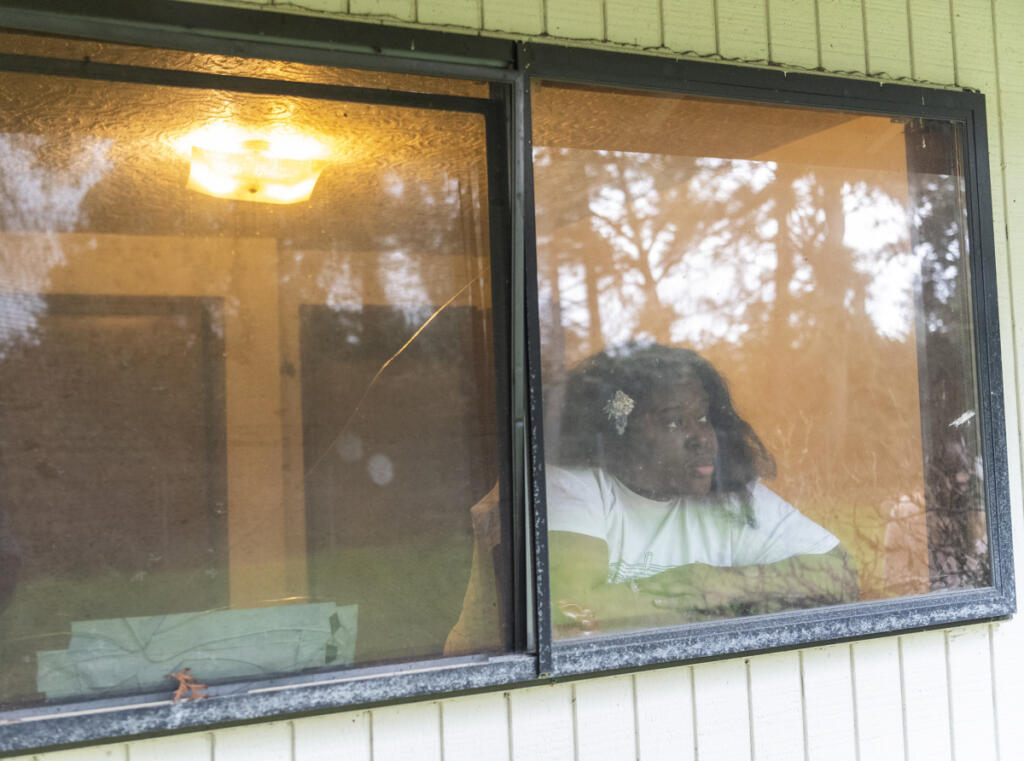
For Cheyonna Lewis of Vancouver, the rising cost of living is taking a toll on something that won’t show up on any bill: her mental health.

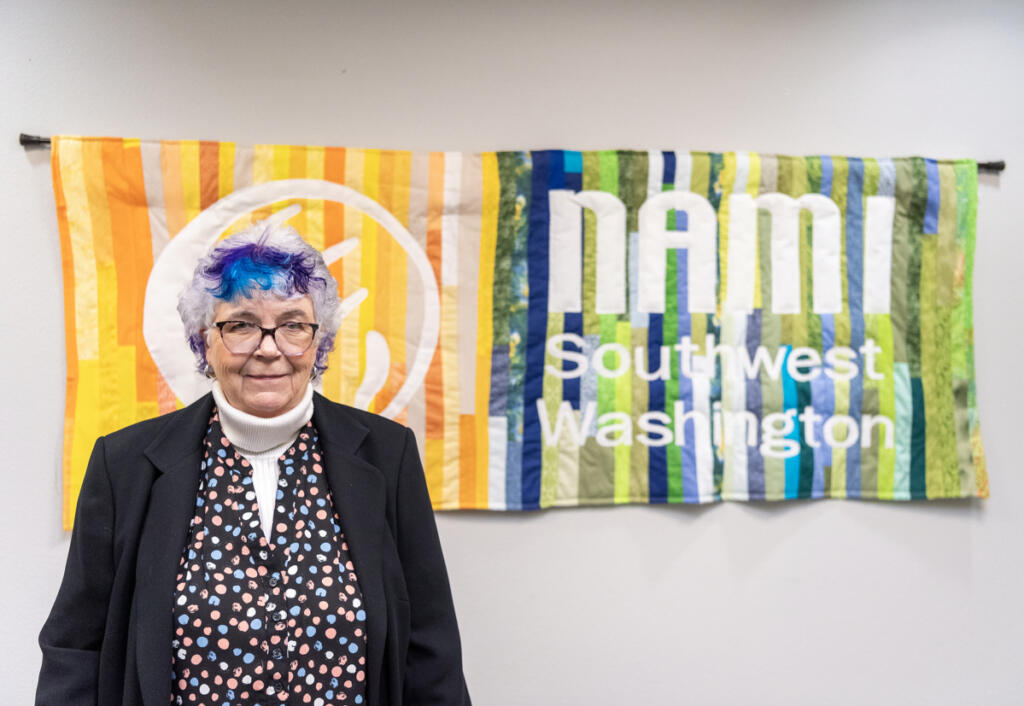
Advocates say the consequences of struggling to afford basic needs go far beyond people’s budgets. Kim Schneiderman, executive director of NAMI Southwest Washington, said her mental health-focused nonprofit has received more calls than ever from people struggling with their mental health. Many call to share their complicated emotions about not being able to support themselves financially like they once did.

“Anytime our lifestyle is threatened, it’s going to affect a person’s mental health. You lose your job or can’t afford rent or food — it’s going to cause a lot of stress and trauma,” Schneiderman said. “People are just not doing well right now. They haven’t been for a while, actually.”

‘It was nightmare fuel’

Lewis was once employed. A car accident two decades ago left her disabled and unable to work. Today, she and her 12-year-old son get by on disability payments and a Section 8 housing voucher. Lewis said she spends about half of her therapy sessions talking about her fears of losing her housing.

“I’ve been homeless before, and the fear of being back there because of one small misstep is frightening,” Lewis said.

And that fear almost became real for Lewis a couple of years ago. Her property-management company had added fees to her monthly bill, which she couldn’t afford. Facing an eviction, Lewis hit a low.

“It was nightmare fuel. I felt so much anxiety — high anxiety, cortisol through the roof and many, many sleepless nights,” she said.

A 2024 study in the International Journal of Environmental Research and Public Health found that inflation’s effect on household budgets caused immediate psychological distress. A 2020 Duke University study found financial strains such as high debt, low income and unemployment are associated with suicide attempts.

The connection between economic pressure and mental health has become so widespread that LifeStance Health coined the term “stressflation.” A 2025 survey by the mental healthcare company found that 83 percent of Americans said their stress was directly affected by the current economic climate, including inflation, the rising cost of living and recession fears.

Rising costs of groceries, gas and utilities leave little money for an unexpected expense — or even a break from constantly worrying about money.

Help is harder to find once housing is gone

Schneiderman said the link between financial hardship and mental health can make it harder for people to seek help. When someone already is experiencing depression or anxiety, tasks like picking up the phone or navigating complex systems can feel insurmountable.

People who call NAMI don’t often explicitly say they are feeling suicidal, Schneiderman said, but their severe mental health challenges come up.

“Our seniors especially are really suffering on fixed incomes with the cost of all things rising,” Schneiderman said. “Gas, utilities, groceries, rent have all gone up — you’re getting nitpicked from all directions.”

Getting help is almost impossible once someone loses housing.

“It’s really, really difficult to navigate mental health services and find treatment when you don’t have a safe place to call home,” said Sesany Fennie-Jones, executive director of Council for the Homeless.

Meeting basic needs such as housing and food can therefore be a critical part of suicide prevention, Schneiderman said. The 2020 Loyola University study “Is There a Relationship Between Welfare Policies and Suicide Rates?” found that increasing the number of people who receive food stamp benefits by 5 percent could have prevented nearly 32,000 suicides between 2000 and 2015.

“I’m seeing a lot more depression and anxiety and concern with benefits being cut,” Schneiderman said. “People start worrying about that and how it might impact them. … Many have so little to begin with and just think it’s going to be taken away from them, or it’s going to be changed in a way that they may not be able to access it anymore. It’s devastating to them.”

For Lewis, the constant uncertainty has taken a toll. She said she takes medication for anxiety and depression to help manage the overwhelming emotions. Advocating for better protections for low-income renters also has been a form of therapy.

“I was at one point a healthy, productive adult,” Lewis said. “But then my situation changed — like thousands of people’s situations changed. I’m not ashamed that all I can do now is go forward.”