Camas-Washougal logo tag

I-5 Bridge tolls delayed to 2028

Consultants studying four rate scenarios approved by bi-state panel

By
timestamp icon
category icon Clark County, Government, News
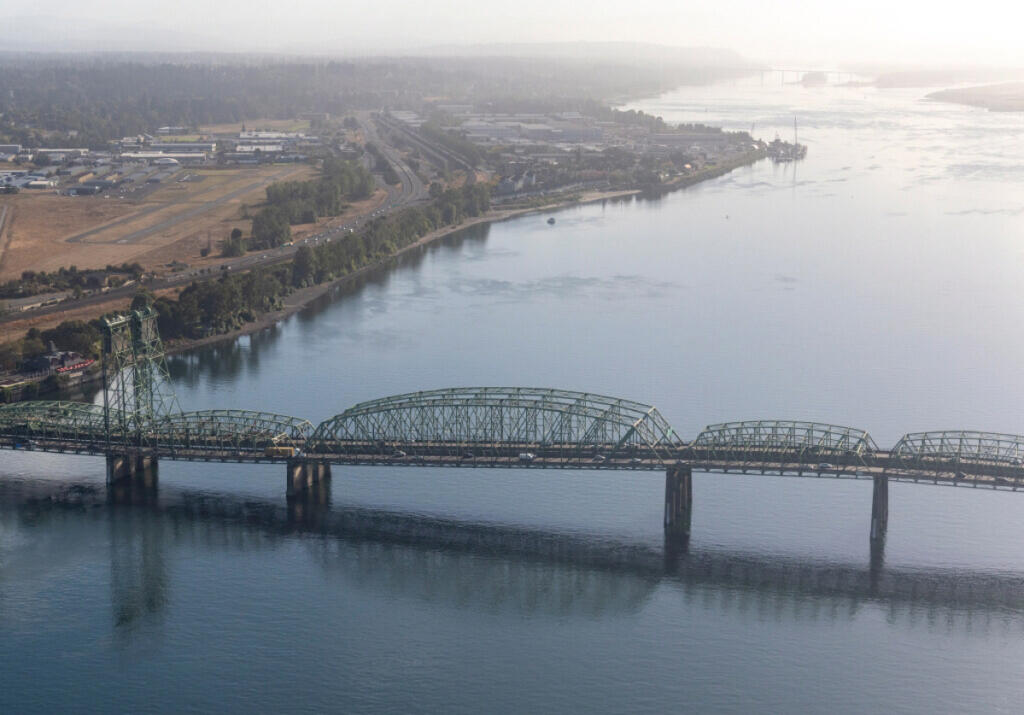
The Interstate 5 Bridge crosses the Columbia River on Oct. 11, 2022. (Taylor Balkom/The Columbian files)

Toll collection on the Interstate 5 Bridge has been pushed back again, not that commuters are likely to complain.

Tolling was supposed to begin this summer. Then, project leaders said it would start in 2027. Now they say toll collection will begin July 1, 2028, according to a memo released last week.

Toll rates will be set about six to nine months before that, according to the memo, with tolling on the replacement I-5 Bridge expected to begin July 1, 2035.

Oregon and Washington transportation commissioners will discuss the memo and a toll traffic and revenue study during a virtual Bi-state Tolling Subcommittee meeting on Zoom from 9 a.m. to noon June 5.

Stantec consultants, under a contract with the Washington State Department of Transportation Toll Division, have worked for more than a year on the study using four scenarios approved by the bistate subcommittee in 2024:

  • Under the first scenario, passenger vehicle drivers would pay weekday tolls between $1.55 and $3.20 on the current bridge and between $1.55 and $3.65 (in 2026 dollars) once tolling begins on the replacement bridge in 2035. The tolls would escalate 2.5 percent annually and offer a 50 percent low-income discount once the new bridge opens.
  • A second scenario would charge $1.55 to $3.65 for weekday passenger vehicle tolls on the existing bridge and $1.65 to $3.90 for tolls on the replacement bridge, with a 50 percent discount for low-income drivers once the replacement bridge is open. These tolls would increase by 2.5 percent annually.
  • The third scenario would charge $1.55 to $3.90 for weekday passenger vehicle tolls on the current I-5 Bridge and $1.65 to $3.90 on the replacement bridge, with a 50 percent low-income discount beginning as soon as is practical. Like the first two scenarios, these tolls also would increase by 2.5 percent each year.
  • The fourth scenario would be more costly in the short term but less expensive in the long run, according to the study. It would charge passenger vehicle drivers $2 to $4.70 for weekday tolls on the current and replacement bridges. These tolls would increase by 3 percent every two years and offer a 50 percent discount for low-income households as soon as is practical.

The tolls are expected to raise around $110 million a year on the existing bridge and at least $245 million a year by 2045.