Camas-Washougal logo tag

Documentary fetes small theaters such as Camas’s Liberty Theater

‘The Last Picture Shows’ screened in Camas

By
timestamp icon
category icon Arts & Entertainment, Business, Camas, Life
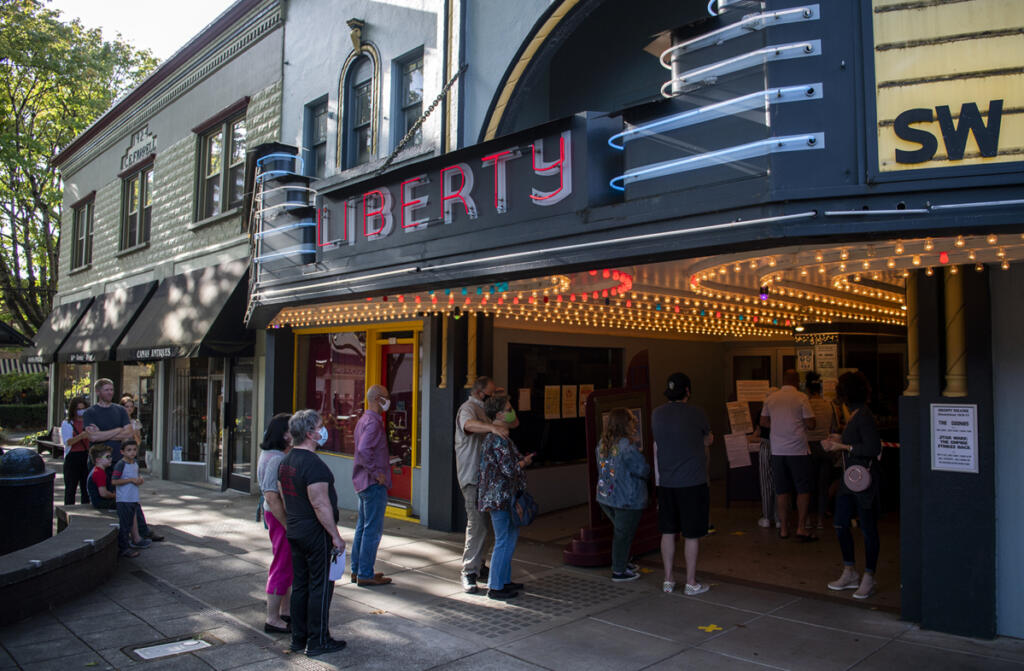
Judging by the theaterless wastelands that Seattle documentarian Rustin Thompson has traversed, moviegoers in Clark County have a lot to be thankful for. Here, there are two thriving yet differing independent cinemas, the Liberty in Camas and the Kiggins in Vancouver, that together offer a rich variety of entertainment — from shameless blockbusters to artsy obscurities, from historical classics to rock concert films and live in-person community events.

“Some theaters are staying alive by doing everything,” Thompson observed. “The theaters that are hanging on are doing pretty well, for what they are.”

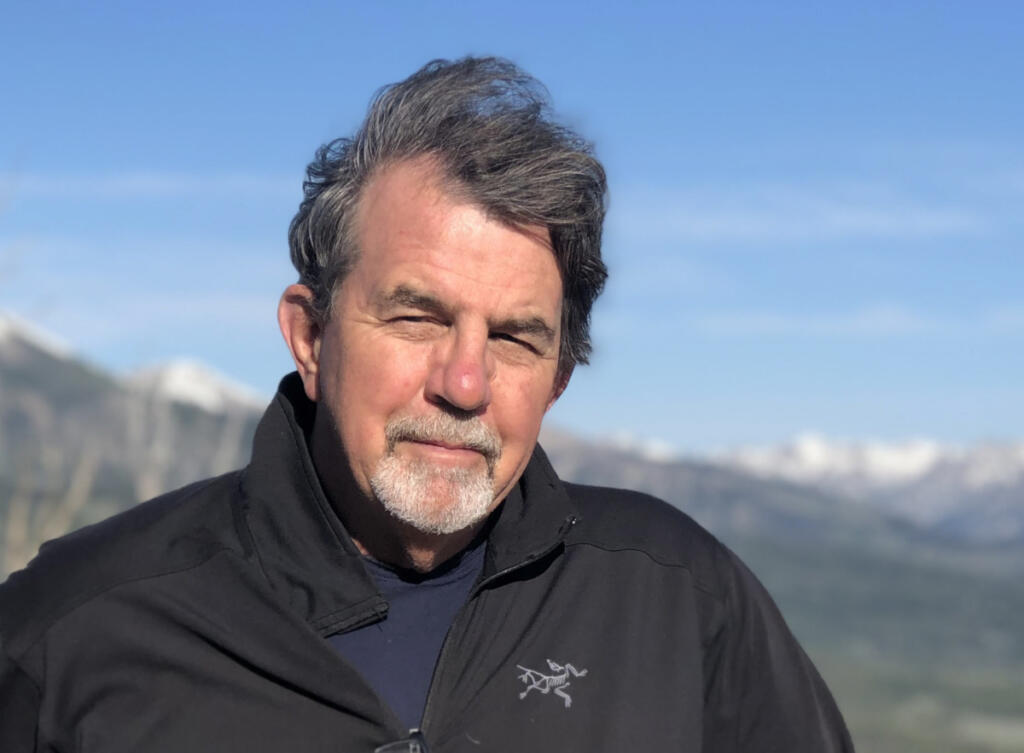
Thompson was expected to visit the Liberty Theatre July 29 to introduce and discuss “The Last Picture Shows,” his documentary tribute to small town movie theaters in the American West and to the dedicated people who persist in keeping their doors open and their screens and marquees lighted up.

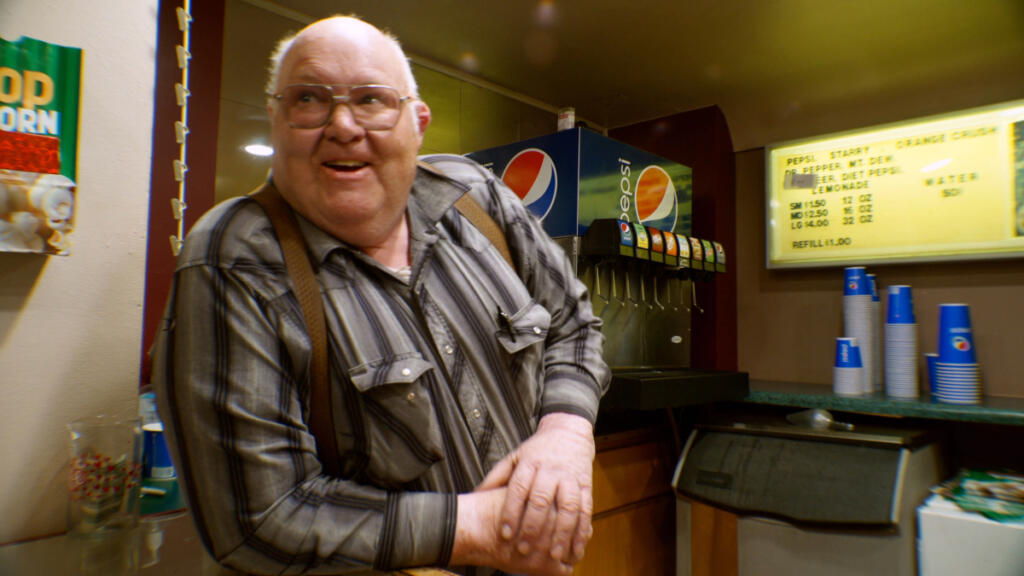
“We enjoy doing it and the community needs it,” says Tiny Pedersen, owner of the Desert Historic Theatre in Burns, Ore., in the film.

But Pedersen still has a full-time job, he adds. It’s a big Friday night at the Desert Historic if 19 people show up for a screening.

Film director Thompson lives in his native Seattle, where he studied film at the University of Washington. Over the years he’s witnessed the community of terrific art-house cinemas that used to populate Seattle’s University District dwindle to nothing.

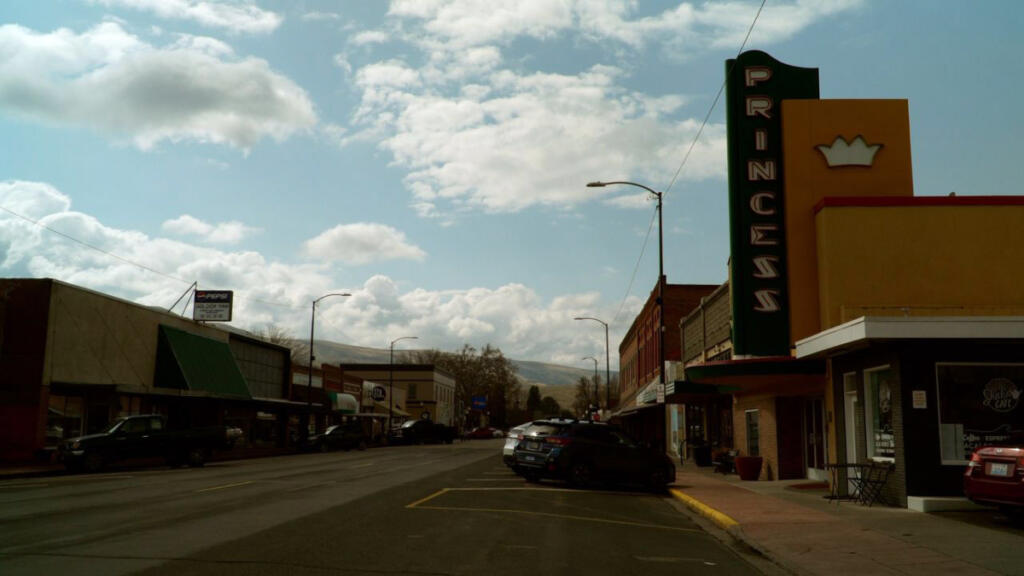
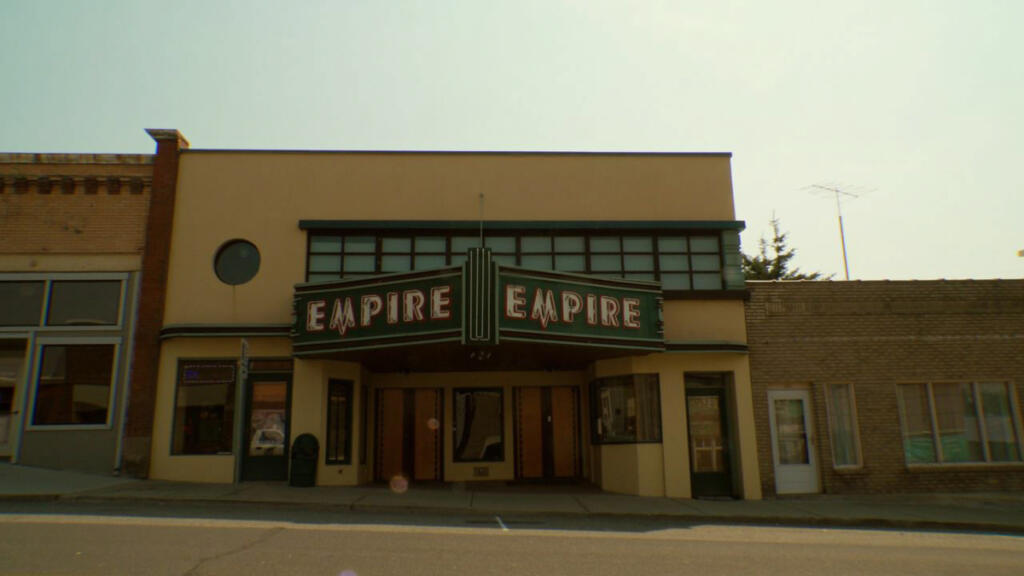
Worried about the medium he loves, the veteran documentarian decided to take his camera on a journey through the “cinema deserts” of the American West. He covered 10 states and almost 11,000 miles, and he visited 123 different movie theaters.

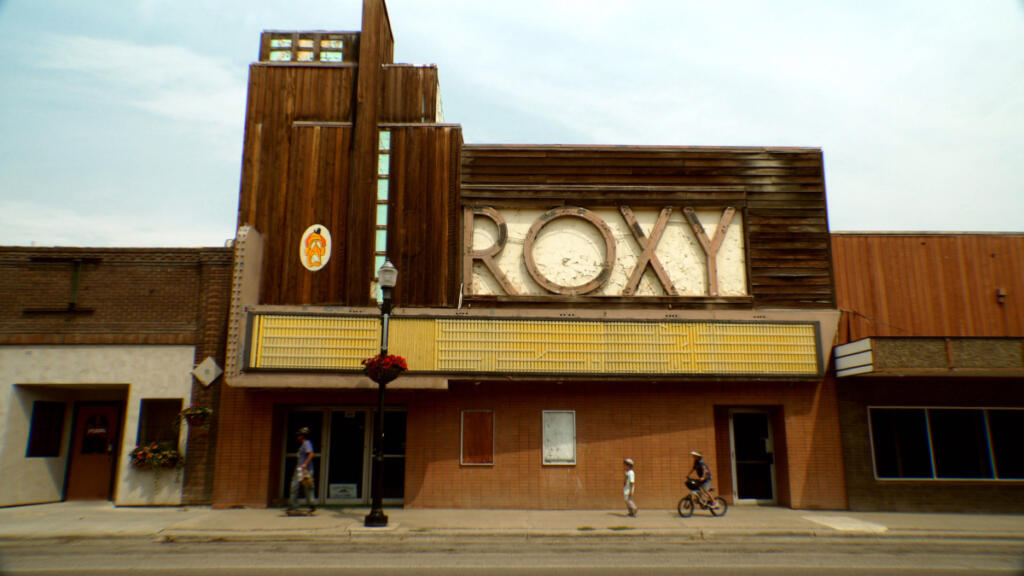
“I’ve always loved the American West and I love road trips,” Thompson said. “And I’ve always wondered about old theaters in small towns: The ones that looked shuttered and the ones that were still open with towering lit-up marquees.”

What surprised him in those big cinema deserts — where movie theaters might be 10, 50 or even 100 miles apart — was nonetheless discovering many thriving oases, tended by community-minded people.

“I intended the film to be dark and brooding and sad,” he said. “I even thought about shooting in black and white with nothing but shots of empty theaters.”

But then he started meeting these owners and managers, some who have been in the business for generations. They’re not only passionate about their family business and film, he noted — they’re also dedicated to the community.

“The people who run these theaters love them,” Thompson said. “They enjoy the adrenaline hit of seeing people come in and buy a ticket and buy popcorn.”

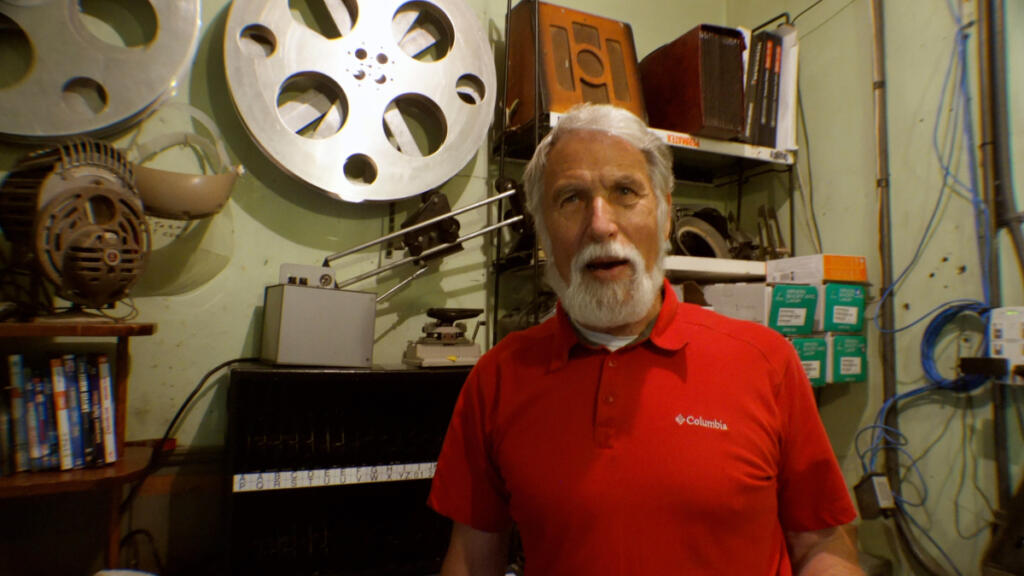
For example, there’s the Seeley Theater in Pomeroy in Eastern Washington, which was rescued from ruin and given a new roof by a young man named Cody Jones.

“There’s not a lot of jobs, not a lot of arts, not a lot of things for kids to do” in Pomeroy, Jones says in the film.

A whopping two people might show up for a Friday night screening at the El Morro Theater in Gallup, N.M., owner Jared Alexander says. But if he can make it a special, enjoyable outing for them, Alexander insists, he’ll take the win. Alexander confides to Thompson’s camera that the El Morro is where he had his first kiss, so it’s hard for him not to love the place.

“I was surprised how many of them are sticking it out, how many made it through the digital conversion, made it through COVID, and they’re still showing movies in these small towns,” Thompson said. “I was moved and impressed by their commitment to serving their community.”

Business puzzle

The cinema business is dominated by powerful studios, agents and distributors, Thompson noted. Many of those insist that cinemas show their newest release and nothing but, perhaps for weeks at a time.

“The studio forces the big blockbusters on them and if they don’t do it, that studio may stop giving them any movies,” he said. “So they may have to show nothing but the latest ‘Moana’ for two weeks.” Ditto the latest chapters of unavoidable franchises like “Toy Story” and “Spider-Man,” he said.

“Any time Spider-Man does anything, we have to have another movie,” Thompson said. “‘Spider-Man: The day he brushed his teeth’!”

Other cinemas try for diversity instead, he said, mixing up their daily screenings as much as possible in order to keep moviegoers of different ages and stages interested and coming back.

The whole movie industry is in an unhealthy cycle of doom predictions followed by periodic blockbusters — like “Barbie” a few years ago or “The Odyssey” this summer — that seem to “save movies for another year or two,” Thompson said.

While it’s a good thing they do, Thompson said, it’s not a sustainable system. Every day, cinema owners face the puzzle of what to screen and how long to screen it: big blockbusters versus artistic films for grown-ups versus repertory classics.

“It is a real struggle” for cinema owners, he said. “It’s a specific calculus they have to work through.”

Fortunately, “The Last Picture Shows” ends on a hopeful note, as Thompson celebrates the cinemas and cinema people who are determined to keep their doors open and their screens busy. The ones who are thriving, by and large, are located in downtowns alongside other offerings — like bookstores, cafes and microbreweries.

One lonely movie theater might not be sufficient, he said, but the right blend of downtown attractions won’t fail to draw customers. In addition to screening films, Thompson noted, another way that community cinemas are struggling forward is by hosting live events and rentals (as Vancouver’s Kiggins has long done): everything from birthday parties to bluegrass festivals.

“There are theaters where the mindset is, ‘We can do anything,’ ” Thompson said. “I don’t get political in the film, but the message is, towns that have a progressive mindset — the towns that try things — those are the towns that are doing better.”

The Liberty

Rand Thornsley, owner of the Liberty Theatre in Camas since 2011, agreed that movie-screening success for a small, independent cinema is a complex and always-changing puzzle that depends on what product is coming out and how long a run studios and bookers may insist upon.

But the Liberty doesn’t quite fit the mold of the isolated theaters in isolated towns that feature in “The Last Picture Shows.” It’s got the flexibility of two different auditoriums, large and small, so Thornsley is able to juggle what film is showing where. After a week or two, he said, it’s possible to bump a blockbuster whose business is declining — yet must keep showing for a mandatory period, as per the studio or booker — off his big screen and onto the smaller one.

“The second screen allows us to do so much more, allows us so much flexibility — without it, I’m not sure the Liberty would survive,” he said.

Otherwise, Thornsley keeps that smaller screen busy with special arts events like National Theater (from London’s West End), museum visits, documentaries, local films and more. Those are small films but they draw dedicated arts lovers from all around the region, including Portland, he said.

Thornsley also agreed that waiting out blockbusters is no way to sustain the cinema business.

“My outlook for the rest of 2026 is looking good, and it’s not because there are any more huge blockbusters on the horizon,” he said. “I do see a lot of those good smaller films that will do enough business to play for two weeks and bring in a good audience.”

Like many of the cinema owners in Thompson’s film, Thornsley is a lifelong movie and movie-business lover. He started working at his local cinema in rural Arizona at age 14 — when he wasn’t actually legal yet, he said. While still a teen he also worked as projectionist at a drive-in theater and lived in what was essentially a shack on the grounds.

“And then you stick with it. You roll with the punches,” he said. “I’ve run so many small, independent theaters. I’ve been broke twice.”

He also went to school to study business and accounting, he said, which has helped keep the Liberty alive.

Just recently, Thornsley said, he was road tripping through rural Montana and pleasantly surprised to discover just how many small town cinemas are still there and still thriving.

“There’s been a resurgence of independent theaters,” he said. “At least some of them are doing pretty well.”