Camas-Washougal logo tag

Washington House targets coal power plant

By
timestamp icon
category icon Environment, Government, News
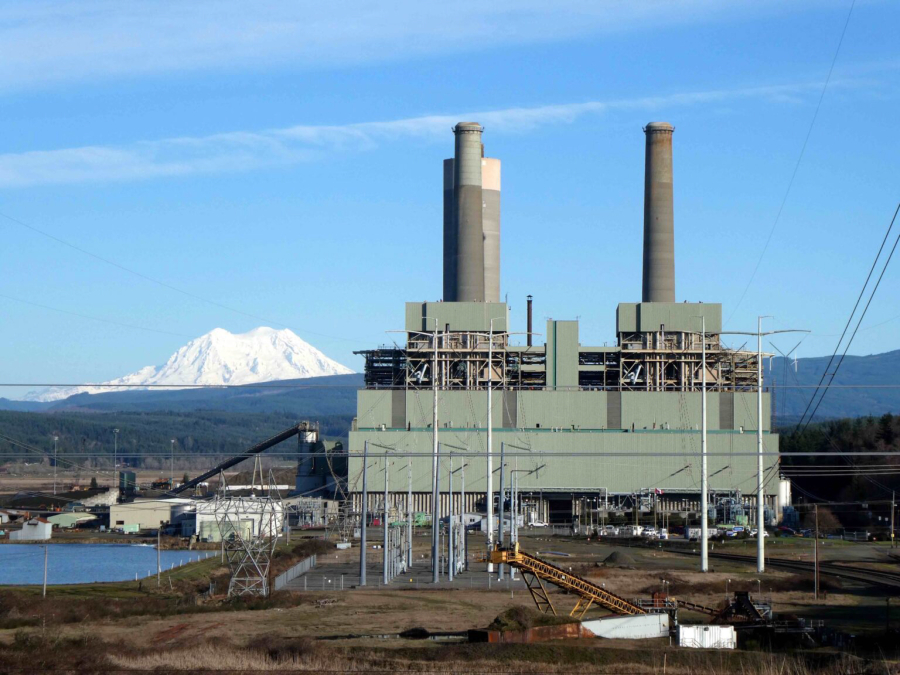
The steam plume from the TransAlta coal power plant outside Centralia could formerly be seen from 30 miles away on cold, clear days. But it’s been absent since mid-December when the plant shut down for conversion to natural gas. (Tom Banse/Washington State Standard)

The Washington House of Representatives on Feb. 12 approved a new coal tax that targets a single company.

It’s meant to thwart a surprise move by the Trump administration to keep the last coal-fired power plant in the Pacific Northwest operational.

The fast-moving bill would saddle TransAlta Corporation’s Centralia coal plant with extra costs that would make it highly uncompetitive in the electricity marketplace were it to restart.

TransAlta idled the power plant in December in conformance with a 2011 agreement to phase out coal power in Washington by the end of last year.

“This bill is intended to close the book on that chapter of our state’s electricity generation; to once and for all say we’re done generating electrons with the dirtiest and most expensive way to do so,” said House Majority Leader Joe Fitzgibbon, D-West Seattle, the lead sponsor.

Democrats in the Legislature were fired up after the U.S. Energy Department issued an emergency order to TransAlta in December.

The federal agency ordered the Alberta-based company to keep the Centralia coal plant available for operation for a period of 90 days, which means until March 16, with possible extensions after that.

“The Trump administration will continue taking action to keep America’s coal plants running so we can stop the price spikes and ensure we don’t lose critical generation sources,” Energy Secretary Chris Wright said at the time. “Americans deserve access to affordable, reliable, and secure energy to heat their homes all the time, regardless of whether the wind is blowing or the sun is shining.”

During the short floor debate in Olympia on Feb. 12, Fitzgibbon wasn’t having it.

“It is very much the prerogative of the state of Washington to decide what our energy strategy will be and how to achieve it affordably in a clean and reliable manner,” Fitzgibbon said.