Camas-Washougal logo tag

Learn how to protect yourself and your pets during tick season

Pests grow more common in county

By
timestamp icon
category icon Health, Life, News
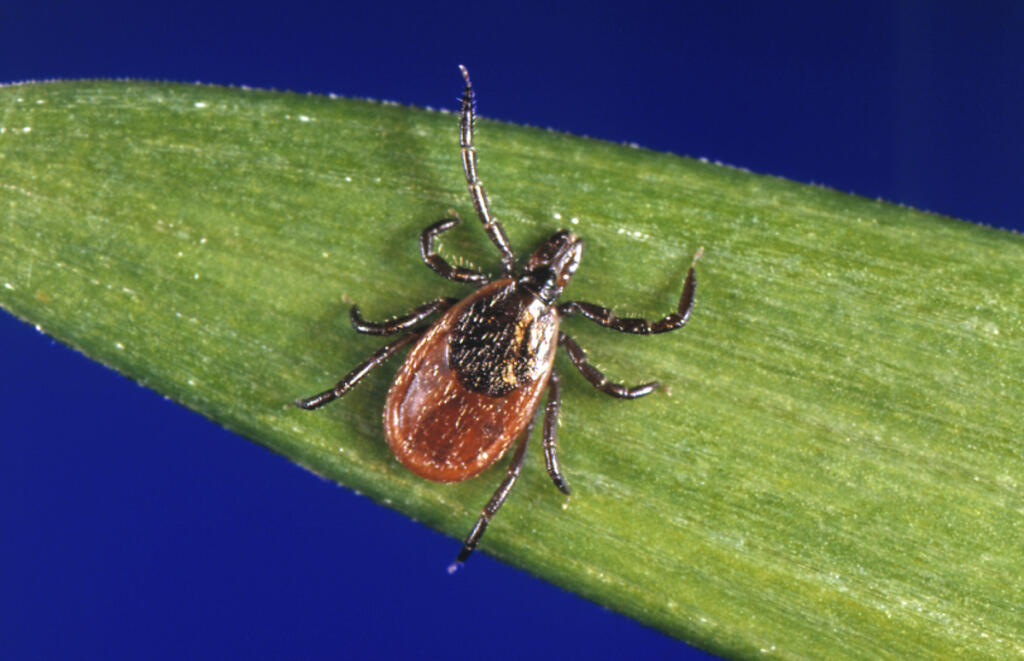
The black-legged tick, also known as a deer tick, is a carrier of Lyme disease. (Contributed by U.S. Centers for Disease Control and Prevention)

Summer is the perfect time for strolls with pets or long hikes on the weekend, but it’s also active tick season. Knowing how to protect yourself from ticks can help reduce your risk of bites and tick-borne illnesses.

Clark County residents submitted 25 ticks to the Washington State Department of Health’s tick surveillance tracker in 2024, more than in any of the previous five years. Ticks used to be more common in the eastern United States than here in the West, but that’s been changing in recent years due to rising temperatures.

The Western black-legged ticks, the Western dog ticks, Rocky Mountain wood ticks and soft ticks are the most common in Washington.

Ticks can transmit a number of diseases, such as Lyme disease or the heartland virus.

Tad Lowder, Legacy Health’s regional medical director, said the best way to prevent tick bites is by walking in the center of trails, away from tall grasses and shrubs. Many ticks live in grassy, brushy or wooded areas.

He advises using an Environmental Protection Agency-registered tick repellent when necessary and wearing light-colored clothes to easily identify ticks before bringing them inside the home.

“Tuck your pant leg down into your socks just so there’s less chance of a tick or other insect getting up underneath the clothing,” Lowder said.

When returning from being outside, it’s a good idea to check clothing, hair and pets for ticks, Lowder said. If you notice a tick attached to your skin, try gently removing it at the skin level with tweezers.

“You don’t want to necessarily squeeze too tight, but enough to kind of grab it and pull directly back with steady pressure,” Lowder said. “You don’t want to pull too hard and potentially separate the body from the head of the tick and leave the head of the tick embedded in the skin.”

People who are unable to remove a tick themselves or feel nervous about doing so should visit an urgent or primary care office, Lowder says. Once the tick is removed, clean the area with soap and water.

Lowder also advises seeking medical attention after a tick bite if you develop a fever, headache, muscle aches, chills or any type of rash.

“There are diseases that are transmitted from the ticks, but the tick bite itself can compromise the skin and its natural protection,” Lowder said. “There’s always just a chance of even getting a skin infection that’s separate from the bite and the diseases they carry too. Any time there’s a rash or fever, any of those type of things, I would go in and be seen.”

Hikers are encouraged to report their tick encounters at www.wta.org/go-outside/post-trip-reports. Everyone should report their tick encounters to the Washington State Department of Health at www.doh.wa.gov/community-and-environment/pests/ticks.